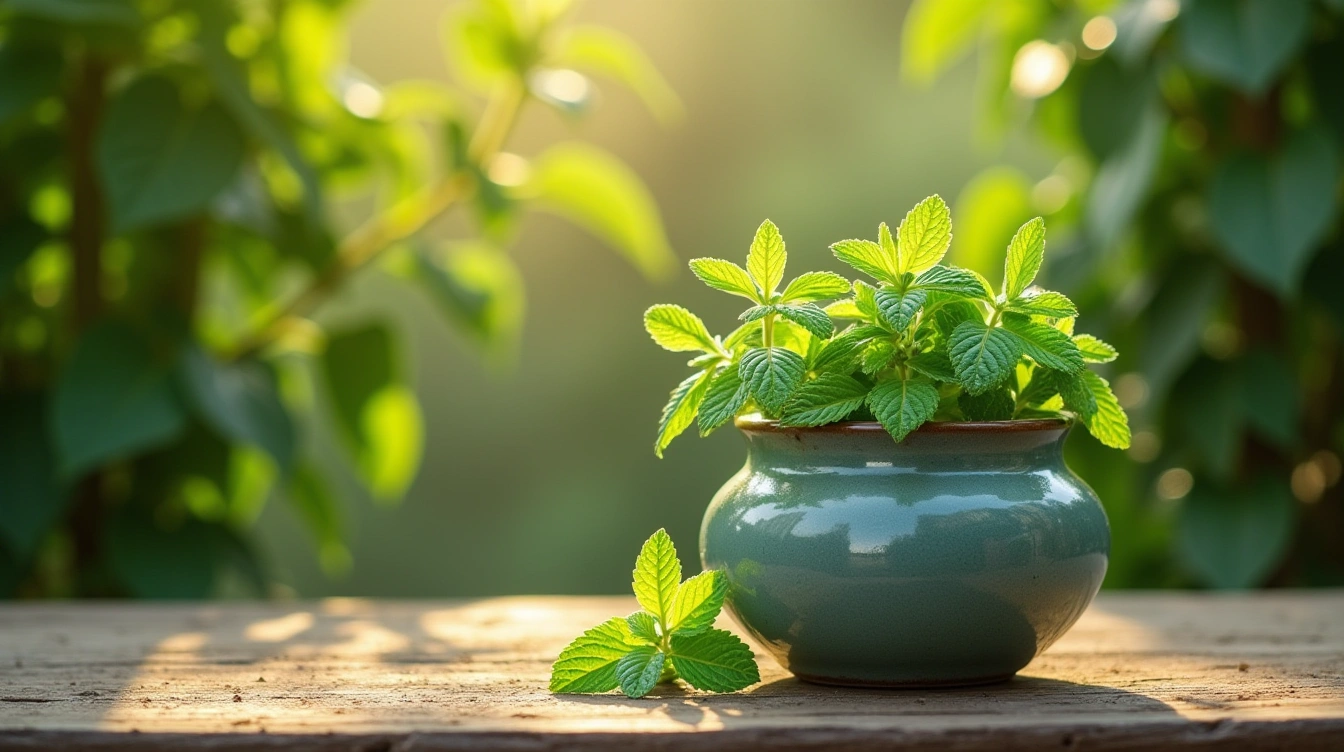
With its refreshing aroma and culinary versatility, mint is a favorite among home gardeners. However, its vigorous growth can quickly overwhelm traditional garden beds if left unchecked. Opting to grow mint in containers or pots is an effective way to enjoy this aromatic herb while keeping its spreading tendencies under control. By selecting the right container size and type, ensuring proper soil and sunlight, and mastering watering and harvesting techniques, you can cultivate lush, healthy mint—right at your fingertips.
Why choose containers for mint?
The main advantage of growing mint in containers lies in their ability to restrict the plant’s aggressive underground runners. Mint roots are notorious for rapid expansion, often invading nearby soil and outcompeting other plants if not physically contained. With pots or planters, you create a clear boundary that allows for a bountiful harvest without risking your entire garden bed.
Additional reading : What are some creative ways to incorporate art into my garden design?
Containers also offer flexibility—you can move your mint to adjust for sunlight needs (full sun or partial shade) and adapt watering as weather changes. For those with limited outdoor space, such as apartment dwellers, potted mint brings fresh spearmint, peppermint, or even unique varieties like chocolate mint within easy reach of the kitchen.
Choosing the ideal pot and setup
In parallel : What are the best seasonal vegetables to plant for year-round harvests?
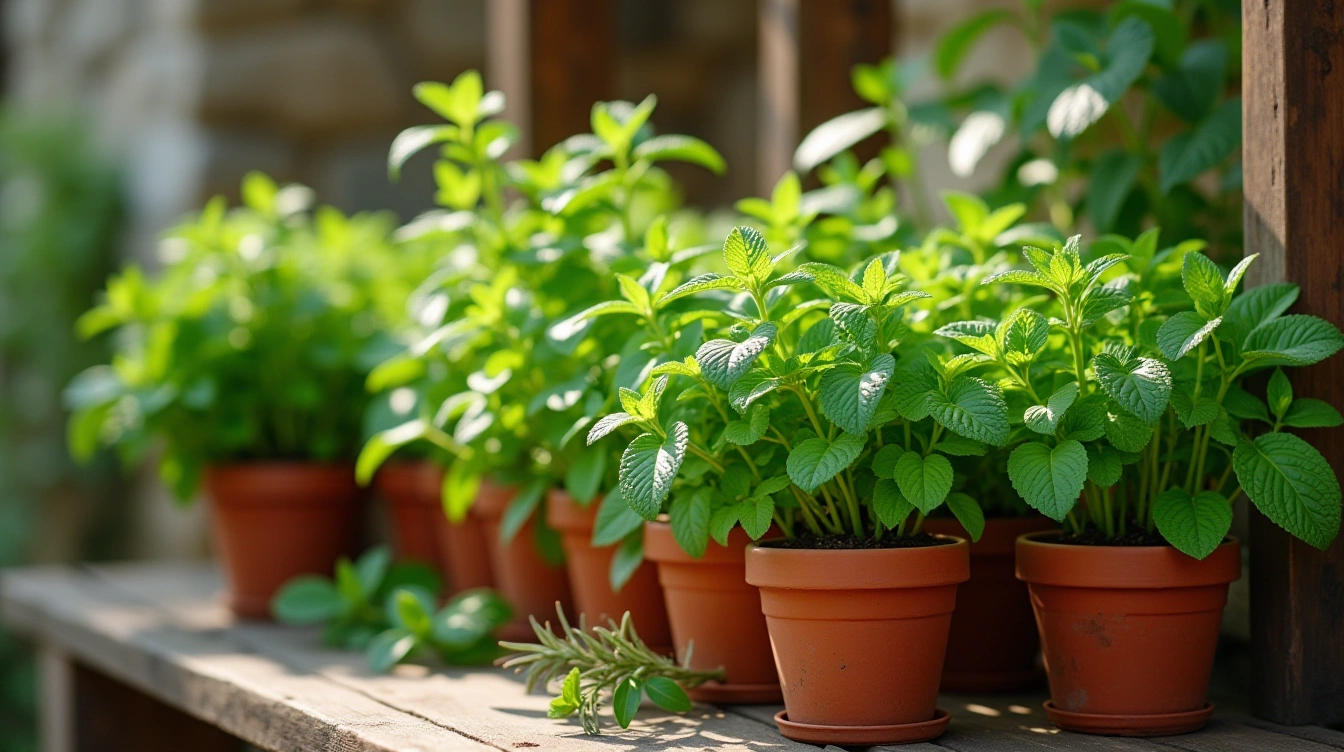
Selecting suitable containers is a crucial step, and if you want detailed advice, consider reading about growing mint in pots. Getting started on the right foot means carefully choosing both the container size and type and preparing the environment to support robust, flavorful leaves. These factors directly influence your plant’s health and productivity throughout the season.
What is the best container size and material?
Aim for a pot with a minimum diameter of 12 inches. This provides enough room for healthy root development and reduces the need for frequent repotting. Terra cotta, ceramic, or sturdy plastic pots are all suitable, but it is crucial that the container features several drainage holes to prevent waterlogging.
Shallow containers tend to dry out too quickly and may not provide adequate space for mint’s roots. Moving pots occasionally helps optimize exposure for sunlight needs, accommodating differences in variety and climate.
How should you fill your pots?
The soil requirements for mint are simple but important: use loose soil that retains moisture yet drains well. Mixing equal parts general-purpose potting mix and compost ensures richness without becoming compacted. If your pots stay wet after rainfall, add extra perlite or coarse sand—mint prefers consistently moist but never soggy roots.
Top the soil with organic mulch, such as straw or shredded bark, to help retain surface moisture and suppress weeds inside the pot. Leave an inch or two below the rim to make watering easier and keep things tidy between seasons.
- Minimum pot size: 12 inches
- Good drainage essential
- Suitable for balconies, patios, or windowsills
Best conditions for healthy mint growth
Mint is adaptable, but it delivers the best flavor and foliage when grown under optimal conditions. Paying attention to moisture levels, nutrients, and light exposure will help you maximize your efforts and enjoy vibrant, productive plants all season long.
Sunlight needs: full sun or partial shade?
Mint thrives across various light conditions. For strong flavor, place pots where they receive at least four hours of direct sunlight daily. In hot climates, some partial shade during midday protects against leaf scorch and excessive drying. Rotate your containers as needed to find the right balance between energy and protection.
Too little sun leads to leggy, sparse growth, while too much can cause wilting or browning edges. Monitor your plant’s response and relocate pots as environmental conditions shift.
Watering needs and frequency
Consistent moisture is key to lush, green mint. Check the top layer of soil daily; if the upper inch feels dry, water thoroughly until excess drains from the bottom. Avoid letting pots sit in standing water, which can deprive roots of oxygen and encourage fungal problems.
Pots warm up and dry out faster than garden beds, especially on sunny patios or balconies. During summer, you may need to water daily, while spring and fall usually require only two or three checks per week.
| Season | Frequency | Notes |
|---|---|---|
| Spring/Fall | 2–3 times/week | Milder evaporation rates |
| Summer | Daily | Check for quick drying |
| Winter | Every 10–14 days | Slow growth, less demand |
Controlling spread and propagating new mint plants
While mint’s sprawling nature can be problematic in open ground, it becomes manageable—and even advantageous—in pots. Containers serve as strong barriers, preventing unwanted spread and making mint propagation straightforward through stem cuttings or division.
Preventing mint from taking over
Using containers to control growth is highly effective. The physical barrier prevents rhizomes from escaping and invading other areas. Still, check the bottom and sides of pots periodically for stray roots attempting to escape.
If your mint becomes crowded, divide the plant every two to three years. Gently remove it, trim overly dense roots, and replant smaller sections into fresh soil in new containers.
Propagation of mint
Propagating new mint plants is simple. Take a healthy stem about four inches long, strip the lower leaves, and place it in water until roots develop—usually within a week. Once rooted, transfer the cutting to a small pot before moving it to a larger container as it matures.
Dividing mature mint during cool, damp weather encourages quick recovery. Ensure each section has shoots and roots. This process revitalizes older pots and provides new starts for friends or expanding your collection.
- Stem cuttings root in water within days
- Dividing clumps reinvigorates crowded plants
- Mint renews itself with minimal effort
Harvesting mint and exploring different varieties
After weeks of attentive care, you’ll be rewarded with handfuls of fragrant mint for teas, cocktails, and recipes. Proper harvesting techniques preserve freshness and promote continuous regrowth, while experimenting with different mint varieties adds exciting flavors to your kitchen.
How and when to harvest mint?
Pinch off stem tips regularly to encourage branching and delay flowering, which can diminish leaf quality. Harvest just before blooming for the most intense oils and aroma. Use scissors or your fingers to snip a few pairs of leaves at a time, focusing on outward-facing stems for a bushier shape.
Take moderate amounts throughout spring and summer, avoiding heavy cuts that could stress the plant. Frequent picking keeps your mint compact and productive into the cooler months.
Which mint varieties suit containers?
Many mint types thrive in pots. Classic choices include spearmint and peppermint, but varieties like apple mint, chocolate mint, and lemon mint bring unique scents and appearances.
Plant different mints in separate containers to explore subtle differences and avoid cross-pollination. Choose according to your preferences—Moroccan mint for tea, pineapple mint for desserts, or ginger mint for savory dishes.
- Spearmint: mild and versatile
- Chocolate mint: rich scent and taste
- Lemon mint: tangy citrus note
Essential questions about growing mint in pots
What are the main soil requirements for mint in containers?
Mint grows best in loose soil that holds some moisture but offers excellent drainage to avoid root rot. Incorporate compost for nutrients and choose a potting mix with added perlite or coarse sand to ensure proper aeration. Avoid using heavy clay soils, as these impede root development and water flow in containers.
- Loose, airy structure
- Excellent drainage
- Moderate organic matter
How do I prevent mint from overtaking my other potted herbs?
To prevent mint from spreading and dominating other herbs, always grow it in a dedicated container. If you must combine it in a shared planter, use physical dividers or plant the mint inside a submerged plastic pot to isolate its roots. Regular pruning further limits spread and promotes a compact shape.
- Single-species containers
- Frequent trimming
- Use of root barriers when necessary
Can mint grow indoors in pots, and what are the key considerations?
Mint can thrive indoors in pots placed near sunny windows or under grow lights, provided there is sufficient humidity. Keep containers away from sources of dry air such as radiators or drafts. Rotate your pots weekly to promote even growth, and pay close attention to soil moisture, as indoor conditions can change rapidly.
- Bright, indirect light
- Consistent moisture, not soggy
- Turn pots weekly
When should I repot mint grown in containers?
Repot your container-grown mint every one or two years, especially as roots fill the pot or if growth slows noticeably. Spring is the best time to transplant since plants recover quickly during active growth. Watch for signs like roots circling the base or reduced new shoots as cues to refresh the potting medium and give your mint more space.
- Check roots annually
- Repot in early spring
- Refresh potting medium for healthier plants
| Age | Signs to repot |
|---|---|
| 1 year | New roots visible |
| 2+ years | Reduced growth |
Growing mint in pots is a rewarding project, offering fresh herbs without the risk of invasive spread. With careful attention to container selection, soil preparation, and ongoing care, anyone can enjoy fragrant, healthy mint year-round. Whether you’re cultivating classic spearmint or exploring exotic varieties, container gardening puts endless possibilities within arm’s reach—inviting creativity in both the garden and the kitchen.